
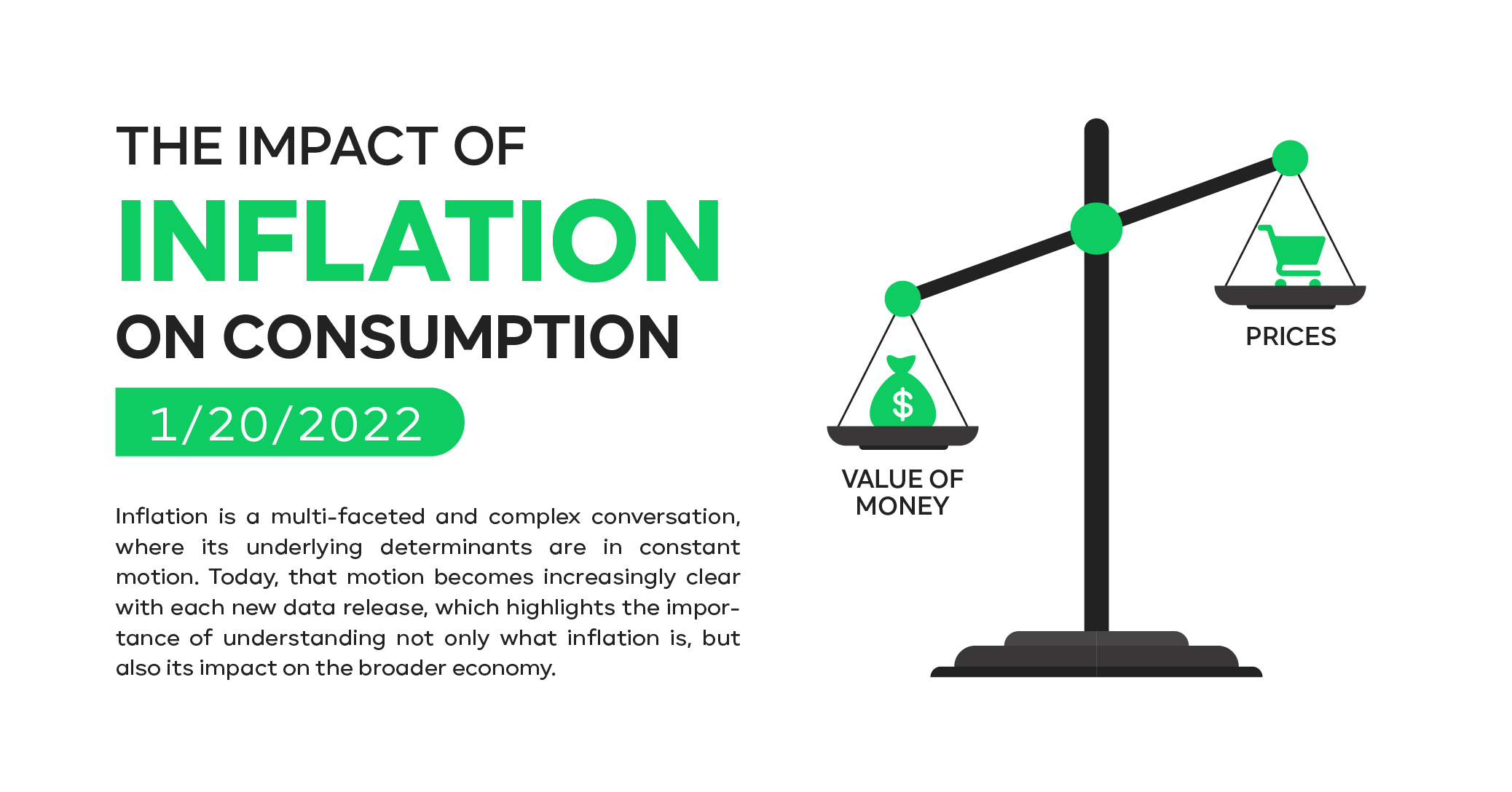
Inflation is a powerful economic force, and its ripples are felt acutely by small businesses. As prices for goods and services rise, these firms face a unique set of challenges that can impact their bottom line and overall viability. Understanding these pressures and developing strategies to mitigate them is crucial for survival and growth in an inflationary environment.
Key Takeaways:
- Inflation increases the cost of supplies, raw materials, and labor, squeezing profit margins for small businesses.
- Small businesses must strategically adjust pricing to remain competitive while covering rising expenses.
- Effective cost management and financial planning are essential for weathering the inflation impact.
- Adaptability and innovation are crucial for small firms to thrive during periods of high inflation.
Understanding the Inflation Impact on Supply Costs
One of the most immediate effects of inflation is the increase in supply costs. Small firms often rely on a network of suppliers for raw materials, inventory, and other essential resources. As inflation drives up the prices of these inputs, businesses face higher expenses, which directly eats into their profitability. This challenge is further compounded for small firms that lack the bargaining power of larger corporations, making it difficult to negotiate favorable pricing with suppliers. For example, a bakery might see the cost of flour, sugar, and eggs rise significantly, impacting the price of their goods. To address this, small businesses can explore strategies such as diversifying their supplier base, negotiating long-term contracts, or exploring alternative, potentially cheaper, materials. Furthermore, improving supply chain efficiency and reducing waste can help offset some of these increased costs. This requires us to be proactive and vigilant in monitoring market trends and adjusting procurement strategies accordingly.
Managing the Inflation Impact on Pricing Strategies
Small businesses must carefully consider their pricing strategies in an inflationary environment. While raising prices may seem like the most obvious solution to offset rising costs, it’s a delicate balancing act. Price increases can deter customers and lead to a decline in sales, especially if competitors are hesitant to raise prices as well. Therefore, small firms need to adopt a strategic approach to pricing. This might involve implementing smaller, more frequent price adjustments rather than large, infrequent ones. Another tactic is to focus on communicating the value proposition of the product or service, highlighting the unique benefits that justify the price. Furthermore, businesses can explore offering different product tiers or bundled services to cater to a wider range of customer budgets. The goal is to find a pricing strategy that maintains profitability while remaining competitive and attracting customers. It forces us to truly understand our customer base and their price sensitivity.
Assessing the Inflation Impact on Labor Costs and Wages
Labor costs are another significant factor affected by inflation. As the cost of living rises, employees may demand higher wages to maintain their purchasing power. Small firms, which often operate with tight budgets, can find it challenging to meet these demands without sacrificing profitability. However, failing to address wage concerns can lead to employee dissatisfaction, higher turnover rates, and difficulty attracting qualified workers. To manage this, small businesses can explore a range of options, such as offering performance-based bonuses, investing in employee training and development, or providing benefits packages that include healthcare, retirement plans, or flexible work arrangements. Automation and technology can also play a role in improving efficiency and reducing the need for additional labor. Ultimately, striking a balance between maintaining competitive wages and managing labor costs is essential for sustaining a healthy and motivated workforce. This area requires us to be creative and resourceful in how we compensate and retain our employees.
Navigating the Overall Inflation Impact on Profitability
Ultimately, the inflation impact on small businesses boils down to its effect on profitability. Rising costs, coupled with the challenges of maintaining competitive pricing and managing labor expenses, can significantly squeeze profit margins. This can make it difficult for small firms to reinvest in their business, expand their operations, or even simply stay afloat. To improve profitability during inflationary times, small businesses need to focus on cost control, efficiency improvements, and revenue generation. This involves closely monitoring expenses, identifying areas for cost reduction, streamlining operations, and actively seeking new sales opportunities. Strong financial planning and budgeting are also crucial for anticipating and managing the potential impact of inflation on the bottom line. Small businesses must remain agile and adaptable, continuously evaluating their strategies and making necessary adjustments to thrive in a challenging economic environment. It’s a constant effort that requires us to be vigilant and proactive in managing our finances.